The Indigenous Forest Knowledge Fund (IFKF) aims to (1) acknowledge and address structural inequities in opportunities for Indigenous youth to participate in forest research and (2) invest in the cultural and intellectual sovereignty of Tribal forest traditions alongside other forms of applied forest research. The IFKF funds projects that support:
- The education, mentorship, and training of Indigenous youth in applied forest research and/or Traditional Ecological Knowledge about forest systems;
- New applied forest research that advances Tribal priorities; and
- The synthesis and translation of forest research and/or Traditional Ecological Knowledge to advancecommunications, outreach, and economic programs for Tribal Nations and Indigenous communities.
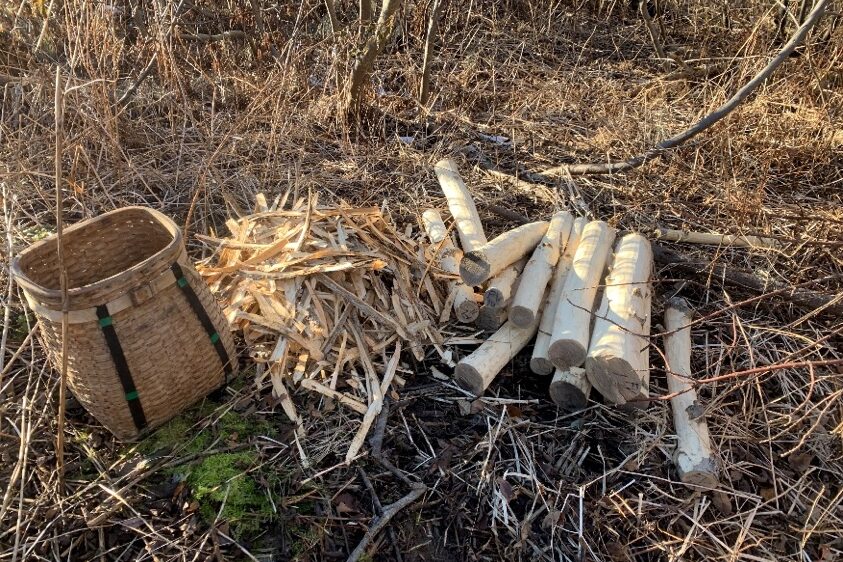
Building Stewardship Capacity: Protecting the Brown Ash of the Northern Forest
Principal Investigator:
John Daigle, University of Maine, [email protected]
Co-Principal Investigators:
Tyler Everett, University of Maine
Emily Francis, University of Maine
Anthony D'Amato, University of Vermont
Suzanne Greenlaw, University of Maine
Amanda Mahaffey, US Fish and Wildlife Service
Darren Ranco, University of Maine
Nathan W. Siegert, US Forest Service
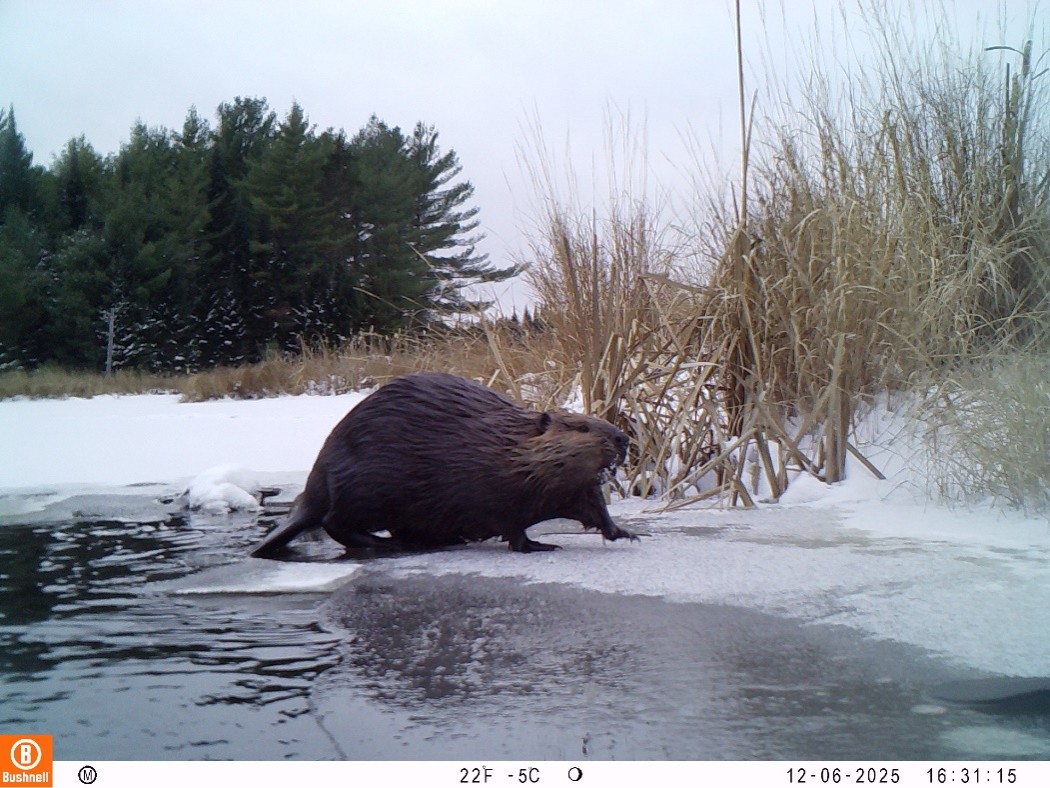
Ecosystem Responses to the Interacting Forces of Bridge Improvements and Beavers
Principal Investigator:
Benjamin Simpson, Penobscot Nation, [email protected]
Co-Principal Investigators:
Kyle Hubbard, University of Maine
Joseph Zydlewski, USGS Maine Cooperative Fish and Wildlife Unit
Christina Murphy, USGS Maine Cooperative Fish and Wildlife Unit


Forest Stewards Apprenticeship: Bridging Indigenous Knowledge, Research, and Forest Stewardship with the Penobscot Nation.
Principal Investigator:
Rachel Swanwick, Forest Stewards Guild, [email protected]
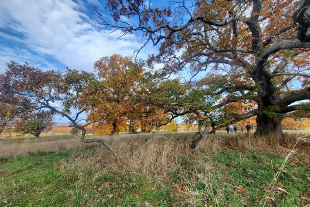
Haudenosaunee Forest Principles
Principal Investigator: Robin Kimmerer, SUNY College of Environmental Science & Forestry
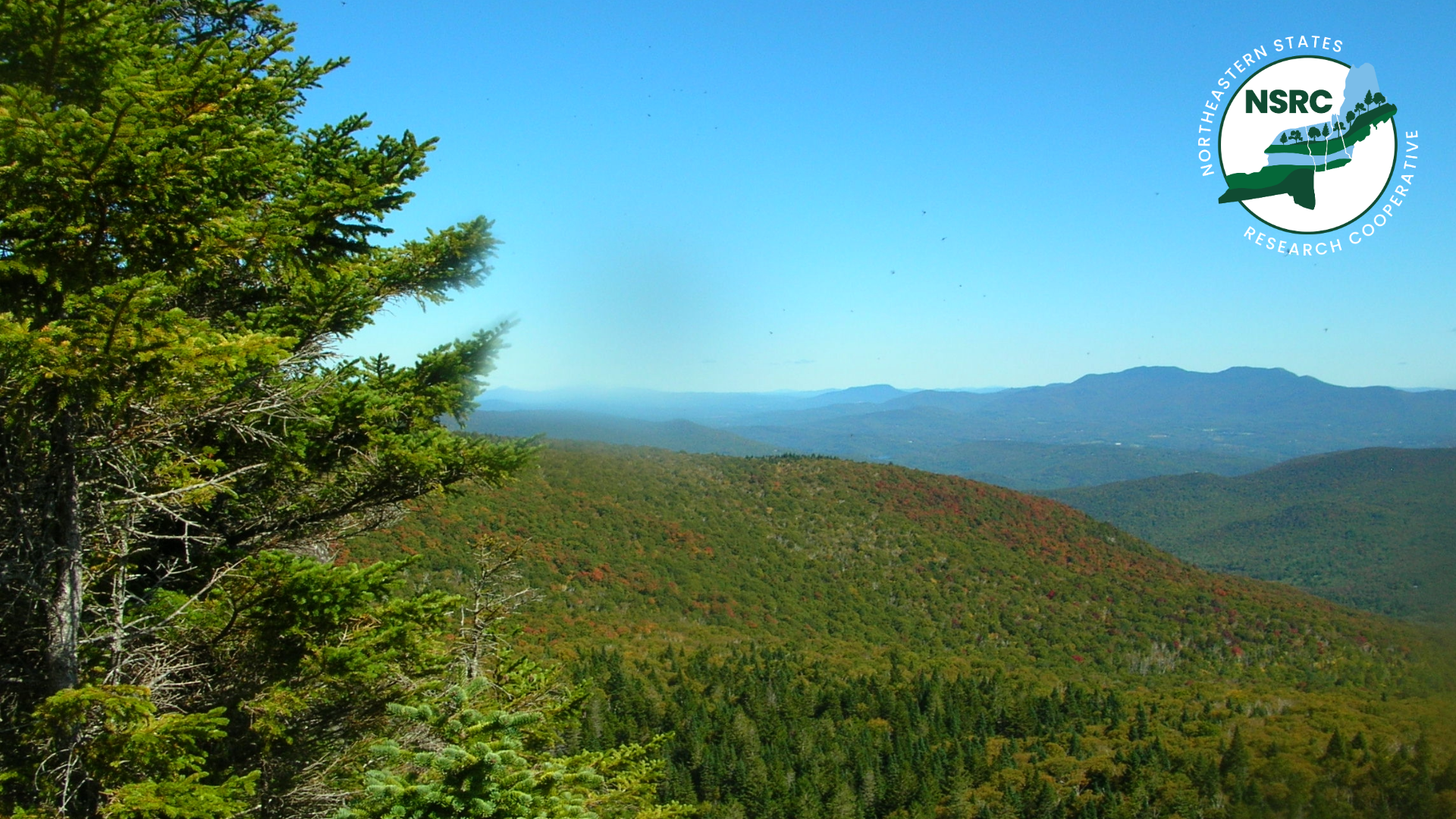
Integrating Advanced Geospatial Analysis and Indigenous Forest Knowledge for Protecting Ash Species
Principal Investigator:
Parinaz Rahimzadeh-Bajgiran, University of Maine, [email protected]
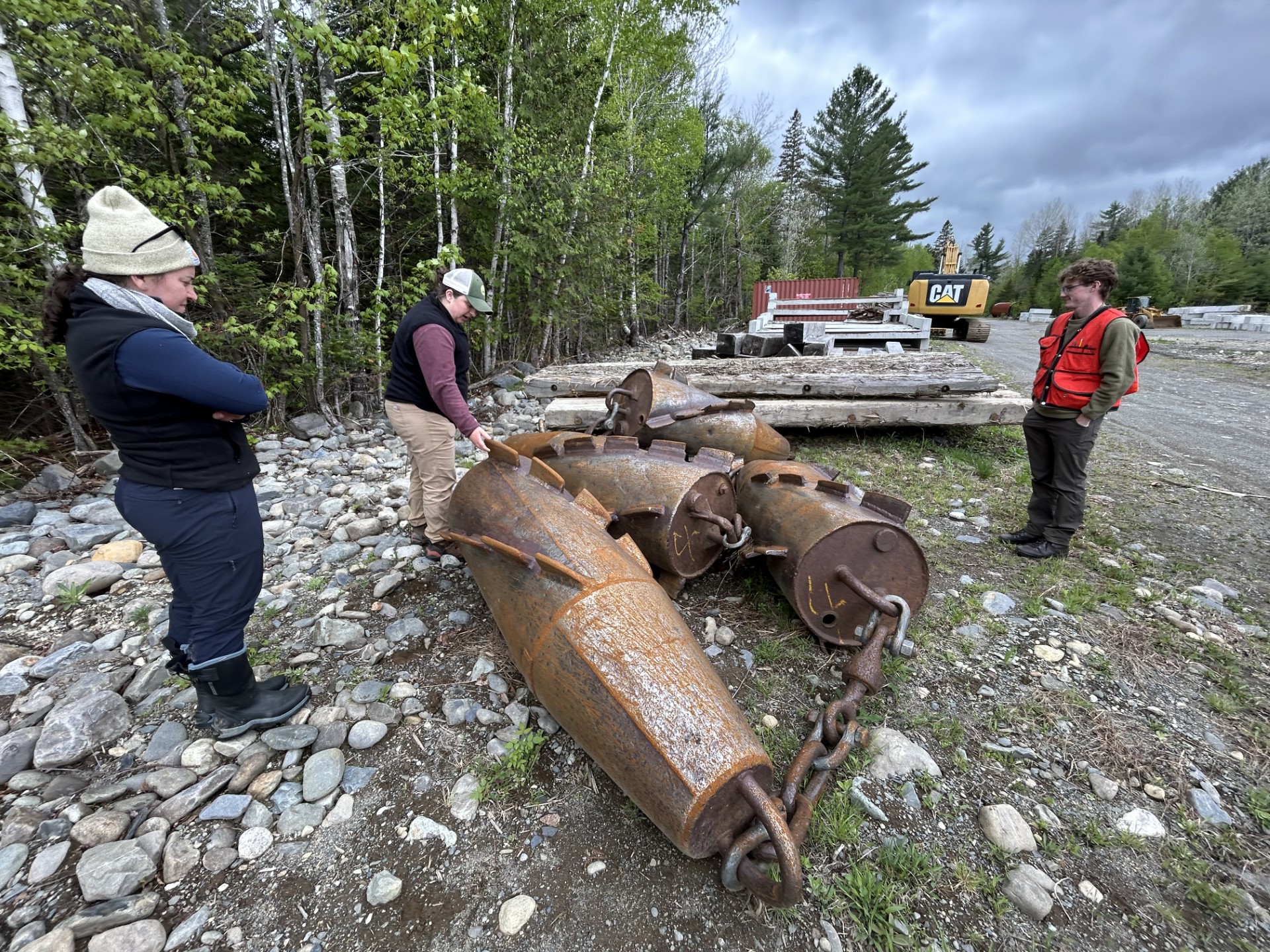
Managing for Tomorrow’s Panawahpskek Forests Today: An Integrative Approach to Submerchantable Competition Control
Principal Investigator:
Carolyn Ziegra, Appalachian Mountain Club, [email protected]
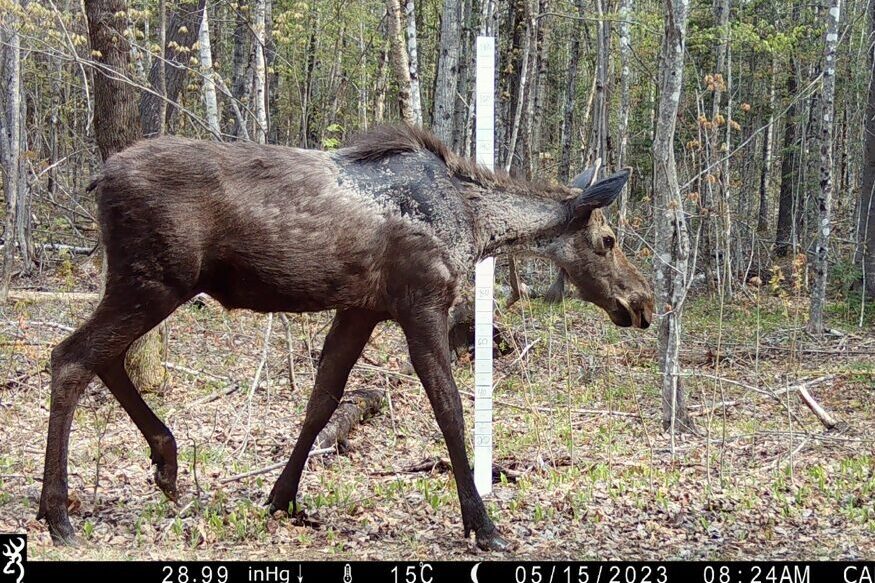
Monitoring Moose and Other Culturally Important Wildlife on Penobscot Nation Lands Using Remote Cameras
Principal Investigator:
Benjamin Simpson, Penobscot Nation Department of Natural Resources, [email protected]
Co-Principal Investigators:
Nina Kappel, University of Maine
Sabrina Morena, University of Maine
Therese Donovan, University of Vermont
Alexej Sirén, University of Vermont
Laurance Clarfeld, University of Vermont
NEBI (Water): Connecting N’dakinna (Land), Bilowagizegad (Climate), and Alnobak (People).
Principal Investigator: Adam Wymore, University of New Hampshire
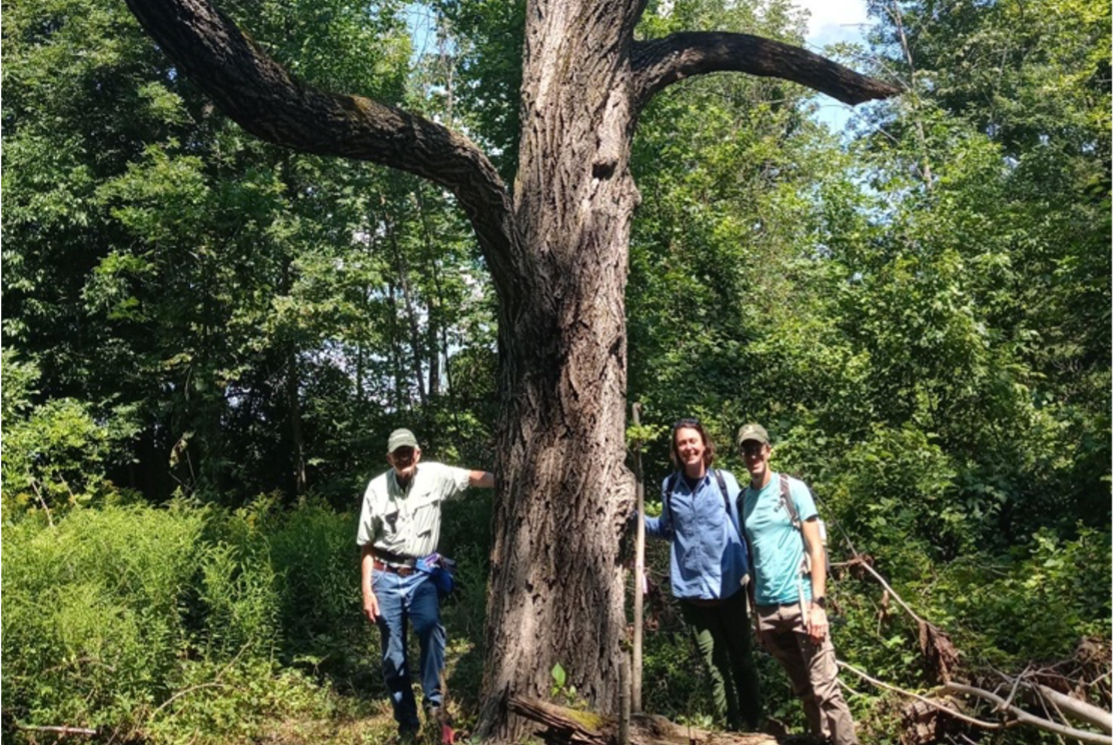
Partnership with Abenaki for Conservation and Restoration of the Threatened, Declining Butternut Tree, an Ecologically and Culturally Important Hardwood
Principal Investigator:
Sean Hoban, Morton Arboretum, [email protected]
Restoration of Culturally and Ecologically Significant Forest Understory Vascular Plants in Haudenosaunee Homelands: Building a Model for Broader Forest Resiliency in the Northeast
Principal Investigator:
Gregory McGee, SUNY College of Environmental Science and Forestry, [email protected]
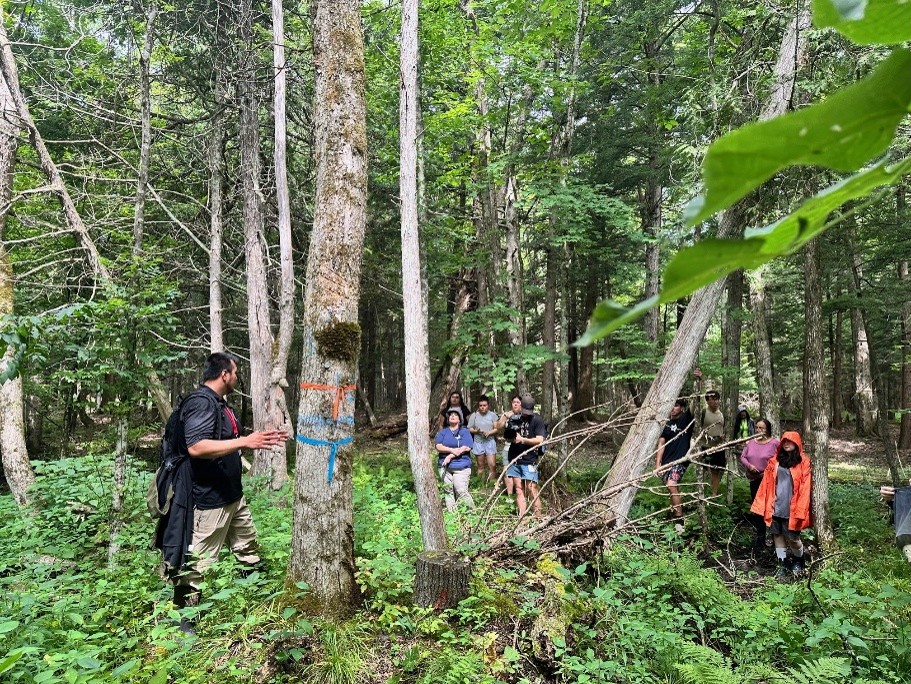
Restoring Tribal Relations and Forest Knowledge
Principal Investigator:
Jessica Raspitha, Saint Regis Mohawk Tribe, [email protected]
Supporting Abenaki Stewardship of the Ecologically Rare and Culturally Important Atlantic White Cedar Swamp Ecosystem
Principal Investigator:
Heidi Asbjornsen, University of New Hampshire, [email protected]
Co-Principal Investigators:
Matthew Vadeboncoeur, University of New Hampshire
Gregg E. Moore, University of New Hampshire


Sustaining basketmaking in Waponahkik through increased accessibility, processing, and storage opportunities
Principal Investigator:
John Daigle, University of Maine, [email protected]
WaYS to Utilize Indigenous Knowledge and Technology.
Principal Investigator:
Jennifer Galipeau, Wabanaki Youth in Science (WaYS), [email protected]